

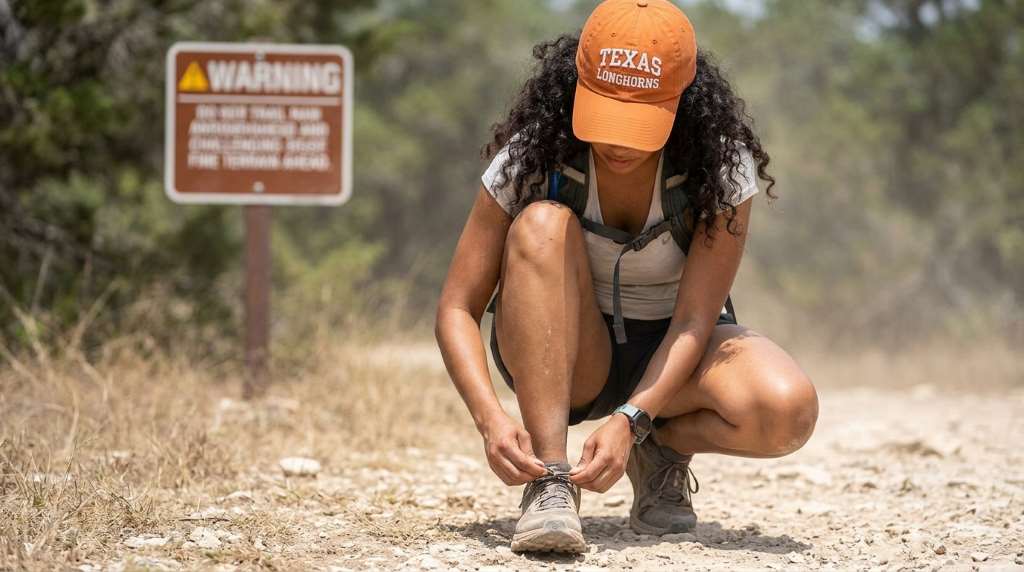
Many outdoor enthusiasts assume every hiking surface affects feet similarly, yet volcanic ash creates unique friction challenges. Studies suggest nearly 30% of hikers experience foot blisters during longer treks, while poor footwear increases that risk significantly. Likewise, hikers researching Hawaii volcano hiking trails often discover how abrasive volcanic terrain damages skin quickly. Understanding these conditions helps Austin hikers prepare smarter, reduce discomfort, and enjoy every adventure with greater confidence.
Why Volcanic Ash Creates Serious Blister Problems
Volcanic ash looks soft from a distance, yet its tiny particles have sharp edges. Therefore, every step creates extra rubbing between socks, shoes, and your skin.
Unlike smooth dirt trails, volcanic ash shifts constantly beneath each footstep. Moreover, hikers planning adventures after reading about amazing short trip destinations should expect volcanic surfaces to demand different footwear strategies.
The fine particles also slip inside hiking shoes through small openings. Consequently, the trapped ash continues grinding against the skin throughout the hike.
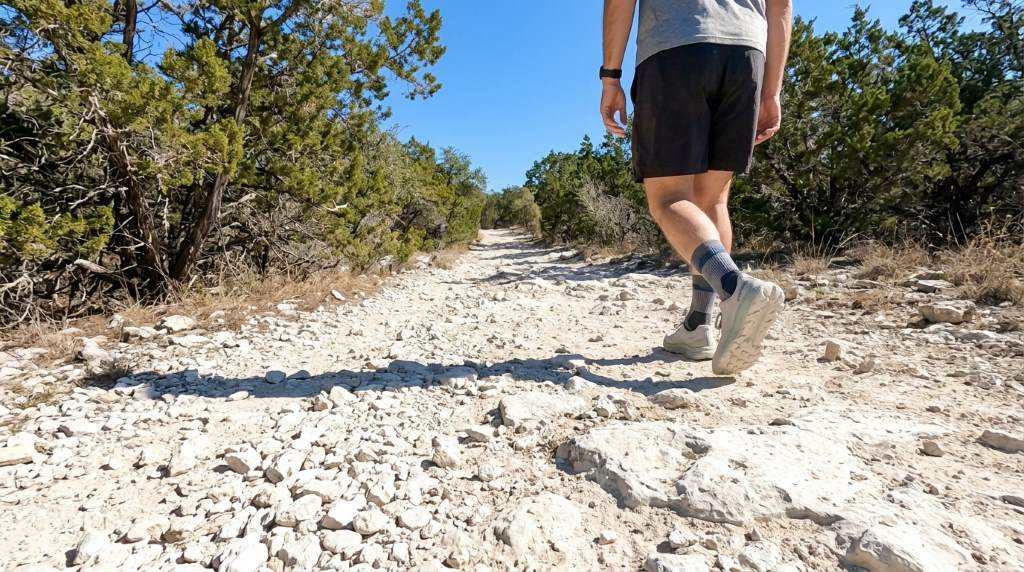
How Ash Differs From Normal Trail Surfaces
Forest soil usually compresses under pressure, creating predictable footing for walkers. However, volcanic ash remains loose and abrasive across changing elevations.
Each movement forces your foot to stabilize repeatedly inside the boot. As a result, repeated motion increases friction around the heels, toes, and arches.
Why Austin Hikers Face Extra Challenges
Austin hikers commonly train on limestone paths, dirt trails, and rocky terrain instead of volcanic landscapes. Therefore, their feet rarely adapt to the constant abrasive movement caused by ash.
Many experienced local hikers confidently wear familiar footwear during destination trips. However, those planning vacations through guides about plan short trips often overlook specialized gear requirements.
Strong fitness improves endurance but never eliminates friction injuries automatically. Consequently, even skilled hikers may develop painful blisters within several miles.
Foot Movement Changes on Ash
Your foot naturally slides more inside the shoe because loose ash reduces stability. Meanwhile, muscles work harder to maintain balance over uneven surfaces.
That additional movement repeatedly stretches sensitive skin against sock fibers. Eventually, fluid builds beneath the skin and forms painful blisters.
Common Causes of Blisters on Volcanic Ash Trails
Several factors combine before a blister develops on volcanic terrain. Fortunately, recognizing these causes allows hikers to prevent many painful problems.
- Poorly fitted hiking boots
- Thin or worn socks
- Wet feet from sweat
- Loose boot lacing
- Ash entering footwear
- Long downhill sections
- Heavy backpacks
Additionally, travelers researching quick travel destinations sometimes underestimate how changing environments affect foot health during active vacations.
Moisture Makes Friction Worse
Sweaty feet soften the outer skin layer much faster during extended hikes. Consequently, softened skin tears more easily against rough volcanic particles.
Changing socks during longer hikes helps remove moisture before irritation becomes severe. Likewise, breathable footwear improves airflow and keeps feet noticeably drier.
Signs That a Blister Is Developing
Early symptoms usually appear before a visible blister forms on the skin. Therefore, recognizing these warning signs prevents larger injuries later.
- Persistent hot spots
- Mild burning sensations
- Localized tenderness
- Increasing skin redness
- Repeated rubbing feelings
Stopping briefly after noticing these symptoms often prevents further skin damage. Instead of continuing immediately, inspect your footwear carefully before resuming the hike.
How to Prevent Blisters Before the Hike
Preparation remains the most effective defense against blister formation on volcanic ash. Furthermore, small adjustments often produce significant comfort improvements throughout the journey.
Select Proper Hiking Boots
Boots should fit securely without squeezing your toes during downhill movement. Meanwhile, sufficient heel support minimizes unnecessary sliding inside the footwear.
Break new boots in before challenging volcanic hikes whenever possible. Consequently, the materials soften while your feet gradually adapt to their shape.
Wear Quality Hiking Socks
Merino wool socks reduce moisture while cushioning high pressure areas effectively. Additionally, double layer hiking socks lower direct skin friction considerably.
Avoid ordinary cotton socks because they retain sweat for extended periods. Instead, technical hiking materials keep feet cooler and significantly drier.
Use Protective Foot Products
Lubricants reduce rubbing across sensitive skin before friction becomes damaging. Likewise, blister prevention tape protects vulnerable areas from constant movement.
Apply these products before starting rather than after discomfort begins. Preventive care always works better than treating painful blisters later.
What to Do When a Blister Appears
Even careful hikers occasionally develop blisters during demanding volcanic adventures. However, proper treatment limits pain and prevents infection.
- Stop hiking briefly.
- Clean the affected area.
- Dry the surrounding skin.
- Cover with a blister bandage.
- Adjust footwear immediately.
- Replace damp socks.
Avoid popping small blisters unless medical guidance becomes necessary. Keeping the skin intact usually supports faster healing.
Best Gear for Volcanic Ash Hiking
The right equipment dramatically improves comfort on abrasive volcanic surfaces. Therefore, thoughtful gear selection deserves careful attention before every trip.
- Supportive hiking boots
- Merino wool socks
- Blister tape
- Foot lubricant
- Extra sock pairs
- Lightweight gaiters
- Breathable insoles
Regular equipment inspections also help identify worn components before serious problems develop. Consequently, replacing damaged gear reduces unexpected discomfort during challenging hikes.
Final Thoughts
Volcanic ash creates unique hiking conditions because its abrasive texture increases constant foot friction. Fortunately, proper preparation, quality footwear, and early prevention greatly reduce blister risks.
Plan every hiking trip with realistic expectations and reliable equipment for changing terrain. Start preparing today so your next adventure stays comfortable, safe, and memorable from beginning to end.
Frequently Asked Questions
Why does volcanic ash cause more blisters than dirt trails?
Volcanic ash creates constant friction because its fine abrasive particles move with every step.
Should Austin hikers wear different boots on volcanic terrain?
Yes, supportive hiking boots with secure fit and durable soles perform much better on volcanic ash.
Can hiking socks really reduce blister risk?
Yes, quality moisture wicking socks significantly reduce friction and help keep skin dry.
How often should I change socks during long hikes?
Change socks whenever they become damp to reduce friction and improve overall foot comfort.
Is blister tape better than regular bandages?
Yes, blister tape protects high friction areas before skin damage develops.