

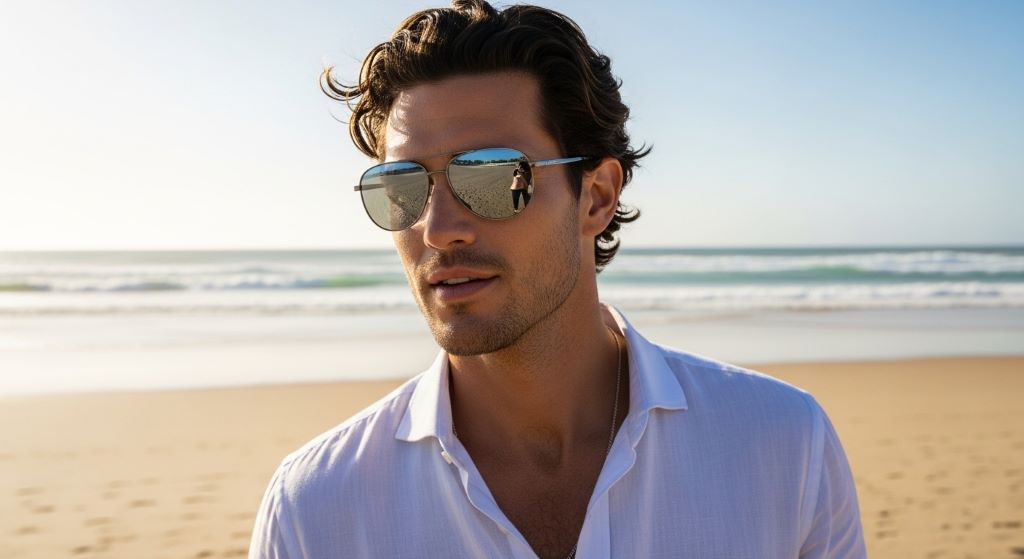
Summer is the season of sun, sand, and style. One accessory stands out above the rest when it comes to pulling a beach look together — sunglasses. The right pair does more than protect your eyes. It frames your face, elevates your outfit, and tells the world something about your personality.
However, with so many options available, choosing the right pair can feel overwhelming. This guide breaks it all down for you. From face shapes and lens types to frame materials and current trends, you will find everything you need to make a confident, stylish choice.
Why Sunglasses Matter More Than You Think
Most people buy sunglasses based on looks alone. That is a good start, but it is not the whole picture. Sunglasses serve a real purpose. They protect your eyes from UV rays that can cause long-term damage, including cataracts and macular degeneration.
Therefore, the best beach sunglasses do two things well. They look great, and they offer genuine protection. Fortunately, you do not have to choose between style and function. Many brands now combine both without compromise.
Additionally, sunglasses have become a key element of men’s fashion eyewear. A well-chosen pair can complete a casual beach outfit just as effectively as a watch or a quality pair of shoes. Treat them as an investment, not an afterthought.
Start With Your Face Shape
Before you fall in love with a frame on a display stand, consider your face shape. What looks stunning on one person may not work as well on another. Understanding your face shape takes the guesswork out of shopping.
Round Faces
If your face is round, you want frames that add definition and length. Angular frames work best. Try square or rectangular styles. These shapes create contrast and make your face appear longer and more structured.
Avoid very round or circular frames. They tend to emphasize the roundness of your face rather than balance it.
Square Faces
Square faces have a strong jawline and a broad forehead. Round or oval frames soften those angular features and create a more relaxed look. Aviators also work well for square faces because of their teardrop shape.
Steer clear of very boxy frames, as they can make a strong face look too rigid.
Oval Faces
Oval faces are considered the most versatile when it comes to eyewear. Almost any frame shape works. However, oversized styles and bold geometric frames look particularly good on oval faces. This is the face shape that can experiment the most.
Oblong Faces
An oblong face is longer than it is wide. Wide frames with deep lenses help add width and balance. Wraparound styles and oversized frames are both solid choices for this face shape.
Understanding Lens Types and Tints
The frame gets the most attention, but the lens is where function really lives. Choosing the right lens type makes a big difference in how comfortable and protective your sunglasses are at the beach.
Polarized Lenses
Polarized lenses are the gold standard for beach use. They reduce glare from reflective surfaces like water and sand. If you have ever squinted despite wearing sunglasses, you understand the problem polarized lenses solve.
They are especially useful for anyone who spends time near the water. Whether you are swimming, sailing, or simply lounging by the shore, polarized lenses make the experience far more comfortable.
UV400 Protection
Always look for UV400 protection when buying sunglasses. This rating means the lenses block all light rays with wavelengths up to 400 nanometers, covering both UVA and UVB rays completely.
A dark lens does not automatically mean better protection. Always check the label. Some cheap tinted lenses offer almost no UV protection, which can actually be worse than wearing no sunglasses at all because the dark tint causes your pupils to dilate, allowing more harmful rays in.
Mirrored Lenses
Mirrored lenses have a reflective coating on the outside. They look cool, and they add an extra layer of protection against bright light. They are a popular choice in summer style tips because they add a bold, high-fashion edge to any look.
Additionally, mirrored lenses are available in a wide range of colors, from silver and gold to blue and orange. This makes it easy to match them with your beach wardrobe.
Gradient Lenses
Gradient lenses are darker at the top and lighter at the bottom. They offer a softer look and are especially popular for driving. At the beach, they work well when you want to look stylish without full lens darkness.
Choosing the Right Frame Material
Frame material affects weight, durability, flexibility, and overall comfort. At the beach, you are dealing with saltwater, sunscreen, and heat, so the material matters more than you might expect.
Acetate Frames
Acetate is a type of plastic that is lightweight and available in a huge variety of colors and patterns. It is one of the most popular materials in men’s fashion eyewear because it offers a premium look at a reasonable price.
However, acetate can warp slightly in extreme heat. Avoid leaving your sunglasses on a hot car dashboard or in direct sunlight for long periods.
Metal Frames
Metal frames are thin, sleek, and durable. They tend to have a more polished, refined look. Aviator-style frames are often made from metal and remain a perennial favorite.
The downside is that metal frames can heat up quickly in the sun. Titanium is a great metal option because it is lightweight and resistant to corrosion, which is useful near saltwater.
TR90 and Nylon Frames
TR90 is a high-performance thermoplastic used in sports eyewear. It is incredibly lightweight and flexible. If you are active at the beach — playing volleyball, surfing, or running along the shore — TR90 frames are worth considering.
Nylon frames share similar properties. Both materials resist heat, impact, and UV exposure better than most alternatives.
Popular Sunglass Styles for the Beach
Style trends shift every season, but certain silhouettes remain consistently popular. Knowing what is in fashion helps you make a choice that feels current without being too trendy.
Aviators
Aviators are a timeless classic. Originally designed for pilots, they have become one of the most recognized sunglass shapes in the world. Their teardrop design works well with many face shapes. They pair easily with beach casual wear, from board shorts to linen shirts.
Wayfarers
Wayfarers have been popular since the 1950s and show no signs of slowing down. Their trapezoidal frame and clean lines give them a slightly retro, slightly modern feel. They work well on most face shapes and look equally good at the beach or in the city.
Wraparound Frames
Wraparound frames offer maximum coverage and protection. They are especially popular among surfers and athletes. While they lean more sporty than fashion-forward, newer designs have made wraparounds much more stylish in recent years.
Round Frames
Round frames have a vintage, bohemian feel. They look particularly good on square and heart-shaped faces. They have become a go-to choice in summer style tips for men who want a relaxed, artistic edge to their beach look.
Oversized Frames
Oversized frames make a bold statement. They offer more coverage, which means more protection for the skin around your eyes. They work best on oval and oblong faces and pair beautifully with minimal, clean-cut outfits.
Color Choices That Work at the Beach
Color plays a big role in how your sunglasses fit into your overall look. Fortunately, beach fashion is one of the most flexible environments for experimenting with color.
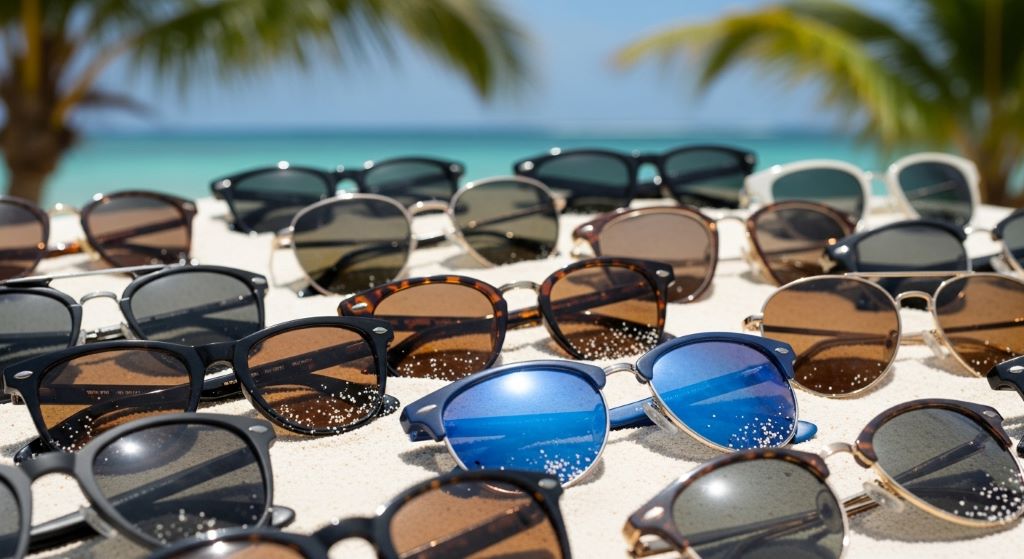
Neutral frame colors — black, tortoise, and brown — are the safest bets. They go with almost anything and never look out of place. Additionally, they are easy to pair with different outfits throughout a beach trip.
Bold colors like bright blue, red, or yellow make a strong statement. They work best when the rest of your outfit is kept simple. Therefore, if you want to wear a vibrant frame, let it be the focal point of your look.
For lens color, gray is the most neutral and does not distort color perception. Brown lenses enhance contrast, which can be useful in variable lighting conditions. Blue and green lenses are fashionable choices that also reduce glare in certain conditions.
Getting the Right Fit
Even the most stylish sunglasses will look wrong if they do not fit properly. A good fit means the frames sit comfortably on your nose without sliding, and the arms rest gently against your head without pinching.
The bridge — the part that rests on your nose — should fit snugly without creating pressure points. Frames that are too wide will sit crookedly. Frames that are too narrow will leave marks on your nose.
The temples, or arms, should extend straight back and rest lightly on your ears. If they bow outward or press inward, the fit is off.
When in doubt, visit an optical store and try on multiple pairs. Seeing how they sit on your face in a mirror is always more reliable than guessing from photos online.
Caring for Your Beach Sunglasses
Salt, sunscreen, and sand are tough on sunglasses. A little care goes a long way in keeping your pair looking and performing its best.
Always rinse your sunglasses with fresh water after a day at the beach. Salt residue can damage coatings over time. Use a microfiber cloth to dry and clean the lenses. Paper towels and shirt fabric can scratch lens coatings.
Store your sunglasses in a hard case when you are not wearing them. A case protects against crushing and scratching. Additionally, never leave your sunglasses face down on any surface, as this is how most lens scratches happen.
Conclusion
Choosing the right beach sunglasses comes down to a handful of key decisions. Start with your face shape to narrow down the best frame styles. Then consider the lens type, making sure you get real UV protection along with any added features like polarization.
Think about the material based on how active you plan to be and how much heat and salt exposure your sunglasses will face. From there, let your personal style guide the color and silhouette choices.
Sunglasses are one of the simplest ways to look polished and put-together at the beach. With so many great options available, there is a perfect pair out there for every man. Take your time, try a few options, and choose with both style and protection in mind.
Frequently Asked Questions
What type of sunglasses look best at the beach?
Aviators, wayfarers, and oversized frames are all excellent choices for the beach. The best option depends on your face shape, personal style, and how much sun protection you need.
Are polarized lenses worth it for beach sunglasses?
Yes, absolutely. Polarized lenses reduce glare from water and sand, making them much more comfortable for extended time at the beach. They are considered an essential feature in summer style tips for active beachgoers.
How do I know if sunglasses offer real UV protection?
Look for a label that says UV400 or 100% UVA and UVB protection. This ensures the lenses block all harmful ultraviolet rays. Do not assume that darker lenses automatically mean better UV protection.
What frame color is most versatile for beach wear?
Black, tortoise, and brown are the most versatile frame colors. They pair with almost any outfit and suit most skin tones. These are a reliable choice whether you are new to men’s fashion eyewear or a seasoned style enthusiast.
How should sunglasses fit on my face?
Sunglasses should sit level on your nose without sliding, and the arms should rest comfortably behind your ears without pinching. The frames should not extend beyond the width of your face, and there should be no gap between the frame and your temples.
Related Topics:
Pack Perfect: Essential Travel Gear and Packing Hacks for the Savvy Traveler
How to Use a Multi-Purpose Travel Tote for Every Trip