

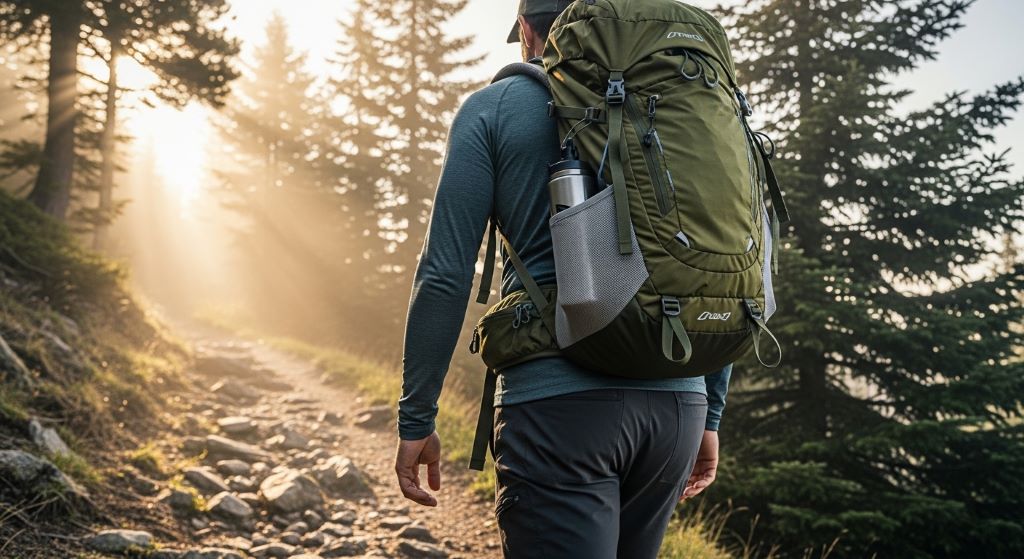
Buying a hiking backpack in 2026 is not as simple as picking the cheapest one on the shelf. There are hundreds of options available. Prices range from very affordable to surprisingly expensive. However, a higher price does not always mean a better backpack.
The good news is that getting a great deal is entirely possible. You just need to know what to look for. Whether you are a weekend hiker or a serious trail runner, the right backpack can make every trip more enjoyable. This guide will walk you through everything you need to know before you buy.
Why Your Backpack Choice Matters More Than You Think
A backpack is not just a bag. It is your most important piece of trail equipment. Everything you carry — food, water, clothing, and safety gear — depends on it. If the backpack fits poorly or falls apart on the trail, your whole trip suffers.
Many hikers have made the mistake of buying a backpack based on looks alone. They end up with sore shoulders, an aching back, or a bag that leaks in the rain. Therefore, choosing wisely from the start saves both money and discomfort down the road.
A good backpack should feel like an extension of your body. It should distribute weight evenly, stay dry in wet conditions, and have enough storage for your needs. Additionally, it should last for many years of regular use. That kind of quality is what separates a smart purchase from a regrettable one.
Setting Your Budget Before You Shop
Before you look at a single backpack, decide how much you are willing to spend. This step keeps you focused and prevents you from being swayed by flashy marketing.
Entry-level packs typically cost between $50 and $100. These can be perfectly fine for day hikes or casual outings. Mid-range options fall between $100 and $200. This range often offers the best combination of quality and affordability. Premium packs go above $200 and are built for serious multi-day expeditions.
However, you do not need to spend a lot to get a reliable backpack. Many outdoor brands now produce excellent mid-range models that perform just as well as their expensive counterparts. Therefore, setting a clear budget helps you find true value for money gear without overspending.
Key Features to Look for in a Hiking Backpack
The Right Capacity for Your Trips
Backpack capacity is measured in liters. Choosing the right size is one of the most important outdoor backpack tips you can follow. A bag that is too small will force you to leave essentials behind. A bag that is too large will tempt you to overpack and strain your back.
Here is a simple guide to capacity:
- 10 to 20 liters — ideal for short day hikes
- 20 to 35 liters — great for full-day adventures or light overnight trips
- 35 to 50 liters — suited for weekend backpacking trips
- 50 liters and above — designed for multi-day or expedition hiking
Think about the kind of hiking you do most often. Then choose a capacity that fits your typical trip length. You can always layer up your clothing rather than carrying a larger pack if weather changes.
Fit and Suspension Systems
A backpack that does not fit your body will cause pain, no matter how well it is built. Most quality brands offer packs in multiple torso lengths. Some models also have adjustable suspension systems that can be customized at home or in-store.
When trying on a backpack, load it with some weight first. Walk around the shop. Pay attention to how the hip belt sits. It should rest on your hip bones, not your waist. The shoulder straps should curve naturally around your shoulders without gaps. Additionally, the sternum strap should sit comfortably across your chest without pressing on your neck.
A proper fit means the hip belt carries about 80 percent of the load. Your shoulders handle the rest. This balance is what makes long hikes feel manageable.
Material and Durability
The fabric of a backpack determines how long it will last and how well it handles weather. Most quality packs use nylon or polyester with a denier rating. Higher denier numbers mean thicker, more durable fabric. For rugged trails, look for packs rated at 420D nylon or higher.
Many packs also come with a durable water-repellent coating, often called DWR. This treatment causes rain to bead and roll off the fabric. However, it is not fully waterproof. For heavy rain, you will still want a rain cover. Some backpacks include one in the package, which adds extra value.
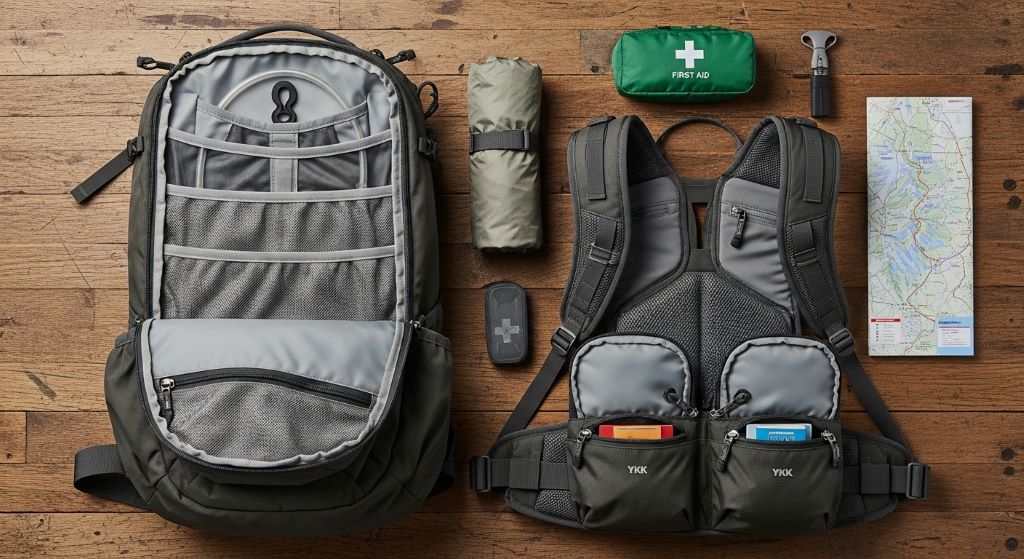
Zippers, buckles, and straps are also worth checking. Look for YKK zippers, which are known for their reliability. Reinforced stitching at stress points is another sign of a well-made bag.
Storage and Organization
A well-organized backpack saves time and frustration on the trail. Look for a main compartment that is easy to access. A separate sleeping bag compartment at the bottom is useful for overnight trips. Hip belt pockets are great for storing snacks, a phone, or a small first aid kit.
External attachment points are also helpful. They let you clip on a trekking pole, a helmet, or a wet jacket without cramming everything inside. Additionally, an internal hydration sleeve and a tube port make it easy to use a water reservoir, which keeps you hydrated without stopping to dig through your bag.
How to Spot Value for Money Gear
Not every expensive pack is worth the price. Equally, not every cheap pack is a bargain. Knowing how to tell the difference is essential. Here are some signs of genuine value:
- The brand has a solid reputation with verified reviews from real hikers
- The warranty covers manufacturing defects for at least one year
- The materials match or exceed what competitors offer at a similar price
- The pack has been independently tested or reviewed by outdoor media
- It includes useful extras like a rain cover, hydration reservoir, or removable frame
Additionally, look for sales at the end of hiking seasons. Many retailers discount last year’s models significantly. The features rarely change between model years. Therefore, buying a previous season’s pack can get you excellent quality at a fraction of the cost.
Trying Before You Buy
Online shopping is convenient, but a hiking backpack is one item that truly benefits from an in-person try-on. Visit a local outdoor gear shop if you can. The staff at specialty stores are usually knowledgeable and happy to help you find the right fit.
Ask them to load the pack with sandbags or weights. Walk around the store for at least ten minutes. Notice where any pressure points develop. Check that you can reach all the zippers and pockets without removing the pack.
If buying online is your only option, read size guides carefully. Measure your torso length before ordering. Most brands explain how to do this on their websites. Furthermore, choose a retailer with a generous return policy so you can send it back if the fit is off.
Comparing Brands Without Getting Overwhelmed
There are dozens of backpack brands in 2026. Some have been around for decades. Others are newer and competing on price. Comparing them all can feel exhausting. However, you do not need to research every single one.
Focus on a shortlist of four or five brands with strong reputations. Look at models within your budget. Read independent reviews on hiking forums and gear sites. Pay attention to comments about long-term durability, not just first impressions.
Some of the most respected names in hiking backpacks include Osprey, Deuter, Gregory, REI Co-op, and Black Diamond. Each has strengths and weaknesses depending on your body type and hiking style. Therefore, comparing two or three options side by side is usually enough to make a confident decision.
Taking Care of Your Backpack to Maximize Its Lifespan
A great backpack can last a decade or more if you take care of it. Simple habits make a big difference. After every trip, empty the pack completely and air it out. Never store it wet or damp, as this encourages mold and mildew.
Spot-clean stains with a damp cloth and mild soap. Avoid machine washing unless the manufacturer specifically allows it. Most packs can be hand-washed in a bathtub with gentle detergent and then air-dried.
Additionally, refresh the DWR coating every year or two using a spray-on treatment. This keeps the fabric water-resistant and extends the life of the outer shell. Store the pack loosely in a cool, dry place away from direct sunlight. UV exposure can weaken nylon fibers over time.
When to Upgrade Your Backpack
Even with good care, backpacks do wear out. Zippers fail. Straps fray. Hip belts lose their padding. Knowing when to replace rather than repair saves you from discomfort on the trail.
If your current pack causes consistent pain despite adjustments, it may no longer fit your body properly. Bodies change over time, and a pack that worked at 25 may not work at 40. Furthermore, if the frame has bent or the structure has collapsed, no amount of patching will restore proper support.
Upgrading is also worth considering if your hiking style has changed. A pack suited for day hikes may not serve you well on a week-long trek. When a new backpack would genuinely improve your experience, it is a worthwhile investment.
Conclusion
Finding the best value hiking backpack in 2026 comes down to knowing your needs, understanding key features, and shopping with intention. Start by setting a clear budget. Then focus on fit, capacity, materials, and organization. Do not be swayed by branding alone. Instead, look for honest reviews and proven durability.
Following smart outdoor backpack tips helps you avoid costly mistakes. A well-chosen pack will serve you for years on every trail, summit, and adventure you take on. It does not need to be the most expensive option. It simply needs to be the right one for you.
Take your time, try before you buy when possible, and invest in care and maintenance. A backpack chosen wisely is one of the best purchases any hiker can make.
Frequently Asked Questions
How many liters do I need in a hiking backpack for a day hike?
For most day hikes, a pack between 20 and 30 liters is ideal. It gives you enough room for water, snacks, a first aid kit, extra layers, and a rain jacket without being too bulky or heavy to carry comfortably.
Is it worth spending more than $150 on a hiking backpack?
It depends on how often you hike. If you hit the trails regularly, a $150 to $200 pack is often worth the investment because of better materials, a more comfortable fit, and a longer lifespan. Occasional hikers can find solid options for less.
What is the best way to check if a hiking backpack fits properly?
Load the pack with weight, buckle all the straps, and walk around. The hip belt should sit on your hip bones, not your waist. Shoulder straps should hug your shoulders without gaps. There should be no pressure on your neck or spine.
Can I machine wash my hiking backpack?
Most manufacturers advise against machine washing. It can damage the frame, coatings, and foam padding. Hand washing in a bathtub with mild soap and air drying is the safest method for most packs.
How long should a quality hiking backpack last?
With proper care, a well-made hiking backpack can last ten years or more. Regular cleaning, proper storage, and periodic re-application of water-repellent coating will significantly extend its lifespan.
Related Topics:
How to Plan Short Trips With Limited Time: Maximize Every Minute
How to Find Quick Travel Destinations in the UK: Your Ultimate Guide to Spontaneous Escapes