

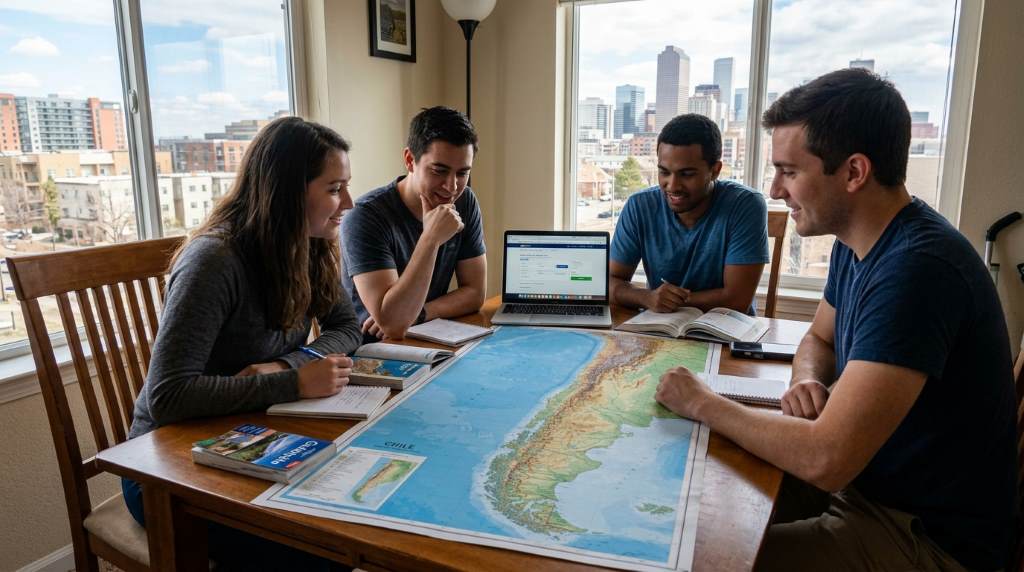
Adventure travelers from Denver, Colorado often look for destinations that combine rugged landscapes, outdoor activities, and cultural experiences. Chile stands out because the country stretches more than 2,600 miles from north to south and includes many remote islands with unique ecosystems. According to Chile’s National Tourism Service, international tourism has steadily increased as travelers seek nature-focused experiences and eco-tourism adventures. Many travelers also use a detailed Chile island hopping guide when planning routes across lesser-known islands. With smart planning, Denver-based explorers can enjoy volcano hikes, wildlife tours, coastal villages, and world-class trekking during one unforgettable multi-island trip.
Why Chile Appeals to Adventure Travelers from Denver
Denver residents already enjoy mountain culture, hiking trails, and outdoor sports throughout Colorado. Therefore, Chile feels familiar while still offering completely different landscapes and ecosystems. Travelers can move from desert islands in the north to icy southern islands within one country. This diversity creates a perfect destination for adventure-focused vacations.
Chile also provides strong infrastructure for eco-tourism and guided outdoor experiences. Many islands include national parks, marine reserves, and protected wildlife areas. In addition, travelers can find kayaking tours, volcano treks, scuba diving, and horseback riding opportunities across multiple regions. The combination of safety and accessibility makes Chile attractive for active travelers.
Another reason Denver travelers choose Chile involves seasonal flexibility. Since Chile lies in the Southern Hemisphere, its peak summer season falls between December and March. Travelers escaping Colorado winters often use this timing to enjoy warmer weather and outdoor adventures. As a result, Chile becomes an ideal winter getaway for outdoor enthusiasts.
Best Time to Plan a Multi-Island Adventure
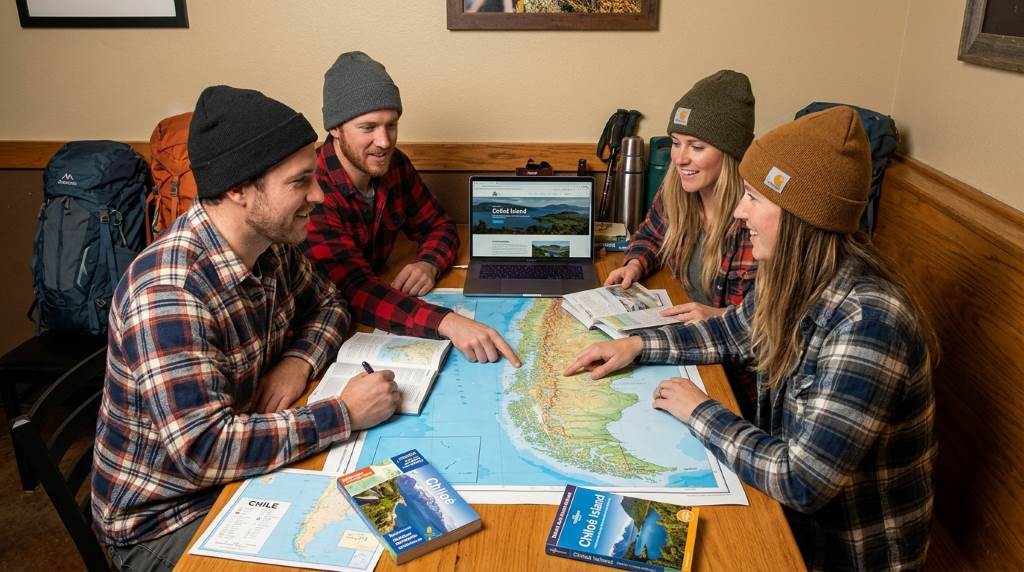
Timing plays a major role when organizing a multi-island journey across Chile. Weather conditions vary significantly between the northern, central, and southern regions. Travelers should build itineraries around climate patterns and transportation schedules. Careful timing helps avoid delays and improves the overall experience.
Summer months between December and February offer the best overall conditions for island hopping. Ferry services operate more consistently during this period, and hiking trails remain fully accessible. In contrast, winter weather can disrupt transportation in southern regions. Travelers should monitor regional forecasts closely before finalizing plans.
Denver travelers should also consider altitude and temperature adjustments. Colorado residents often adapt well to hiking conditions, but Chile’s coastal humidity and southern winds can feel very different. Layered clothing works best for changing island weather. Packing for multiple climate zones prevents unnecessary discomfort during the trip.
Choosing the Right Islands Across Chile
Chile offers many island destinations, but travelers should focus on experiences that match their interests and fitness levels. Some islands specialize in hiking and wildlife encounters, while others highlight culture and history. A balanced itinerary creates variety without exhausting travelers. Selecting islands carefully improves both logistics and enjoyment.
Easter Island for Culture and Mystery
Easter Island remains one of Chile’s most famous island destinations because of its giant Moai statues and Polynesian heritage. Travelers from Denver often include this remote island as a bucket-list stop. The island also offers excellent hiking routes and scenic coastal viewpoints. Visitors usually stay four to five days to explore fully.
The climate on Easter Island stays relatively mild throughout the year. However, humidity levels feel higher than Colorado’s dry mountain air. Travelers should stay hydrated during hikes and outdoor excursions. Renting bikes or ATVs helps visitors explore remote archaeological sites efficiently.
Chiloé Island for Nature and Traditions
Chiloé Island offers a completely different atmosphere with green forests, colorful wooden churches, and strong local traditions. Adventure travelers enjoy kayaking, birdwatching, and hiking through national parks. Additionally, the island’s seafood cuisine attracts food lovers seeking authentic Chilean flavors. The region feels peaceful compared to busier tourist destinations.
Rainfall occurs frequently on Chiloé Island, especially during cooler seasons. Waterproof jackets and hiking boots become essential packing items. Denver travelers accustomed to dry climates should prepare for muddy trails and damp conditions. Nevertheless, the island’s landscapes remain beautiful throughout the year.
Magdalena Island for Wildlife Encounters
Magdalena Island attracts travelers interested in wildlife photography and marine ecosystems. The island features one of Chile’s largest penguin colonies, making it popular among eco-tourists. Guided boat tours allow visitors to observe penguins and seabirds safely. Nature enthusiasts often rank this stop among their favorite Chile experiences.
Strong winds frequently affect this southern region near Patagonia. Therefore, travelers should wear wind-resistant outer layers during excursions. Boat schedules may also change because of weather conditions. Flexible itineraries help reduce stress when transportation adjustments occur.
Planning Flights from Denver to Chile
Most Denver travelers begin their journey with flights connecting through major U.S. hubs such as Dallas, Miami, or Atlanta. Santiago serves as the main international gateway into Chile. After arriving in Santiago, travelers can book domestic flights or ferry routes to different islands. Multi-city ticket options often reduce overall transportation costs.
Booking flights several months early usually provides better prices and route availability. Travelers planning trips during Chile’s summer season should reserve transportation well in advance. Demand increases significantly between December and February. Early bookings also provide more flexibility for island scheduling.
Many adventure travelers use Santiago as a recovery stop before continuing south or west. Spending one or two days in the capital helps adjust to travel fatigue and time zone changes. Santiago also offers easy access to outdoor gear stores and transportation connections. This break improves energy levels before island exploration begins.
Building a Practical Island-Hopping Itinerary
Successful multi-island travel depends on realistic scheduling and transportation planning. Some travelers attempt to visit too many islands within a short timeframe. However, long transit times and weather disruptions can create unnecessary stress. A slower pace usually leads to a more enjoyable experience.
A balanced itinerary often includes three major island destinations over two to three weeks. This schedule allows enough time for outdoor activities, rest days, and transportation adjustments. Travelers should also avoid backtracking whenever possible. Logical geographic routes save both time and money.
Here is a sample structure for a multi-island adventure:
- Days 1–3: Santiago arrival and preparation
- Days 4–7: Easter Island exploration
- Days 8–12: Chiloé Island activities
- Days 13–16: Patagonia and Magdalena Island tours
- Days 17–18: Return to Santiago and departure
This format creates a balanced mix of culture, wildlife, and outdoor adventure. It also leaves room for unexpected weather delays or additional excursions.
Budgeting for a Chile Island Adventure
Chile offers travel options for both mid-range and luxury adventure seekers. However, island transportation often becomes the largest expense during the trip. Flights to Easter Island and Patagonia regions can cost significantly more during peak season. Travelers should plan budgets carefully before booking.
Denver travelers often save money by combining domestic flights with ferries or buses. Overnight transportation also reduces accommodation expenses in some regions. In addition, many hostels and eco-lodges provide affordable rates for outdoor travelers. Booking directly with local operators sometimes lowers tour prices as well.
Typical daily budgets may include:
- Budget travelers: $80–$130 per day
- Mid-range travelers: $150–$250 per day
- Luxury travelers: $300+ per day
Adventure activities such as scuba diving, guided trekking, and wildlife tours usually require separate fees. Travelers should build extra flexibility into their budgets for unexpected transportation costs.
Packing Essentials for Multiple Climate Zones
Chile’s varied geography creates one of the biggest packing challenges for travelers. Temperatures and weather conditions change dramatically between islands and regions. Therefore, versatile gear becomes essential for comfort and safety. Smart packing reduces luggage weight while preparing travelers for different environments.
Layering remains the best strategy for multi-island travel. Lightweight thermal shirts, waterproof shells, and fleece jackets provide flexibility for changing temperatures. Travelers should also pack moisture-resistant hiking gear for rainy southern islands. Quick-drying clothing helps during extended outdoor activities.
Important items include:
- Waterproof hiking boots
- Windproof jacket
- Reusable water bottle
- Compact backpack
- Portable power bank
- Sun protection gear
- Motion sickness medication for ferries
Denver travelers often underestimate Chile’s coastal wind exposure. Therefore, protective outerwear becomes especially important during Patagonia excursions and ferry rides.
Adventure Activities Travelers Should Not Miss
Chile offers countless outdoor experiences for travelers seeking active vacations. Many islands combine water sports, hiking, wildlife observation, and cultural tours within one destination. Travelers can customize adventures based on fitness levels and interests. This flexibility appeals strongly to Denver-based outdoor enthusiasts.
Kayaking ranks among the most popular activities on Chiloé Island and Patagonia routes. Calm coastal waters provide excellent opportunities to explore remote shorelines and marine ecosystems. Guided tours also help travelers safely navigate changing weather conditions. Wildlife sightings often include dolphins and seabirds.
Volcano hiking attracts many adventure seekers visiting southern Chile. Several islands and nearby mainland regions feature accessible volcanic trails with incredible panoramic views. Travelers should always check trail conditions and weather forecasts before hiking. Guided tours provide additional safety for less experienced hikers.
Scuba diving and snorkeling opportunities also exist around Easter Island and northern coastal regions. Clear waters and volcanic rock formations create unique underwater scenery. Certified dive operators provide equipment and safety training for visitors. Water temperatures vary significantly by region, so wetsuits remain necessary in colder areas.
Transportation Tips for Island Travel
Transportation logistics often determine whether a multi-island trip runs smoothly or becomes stressful. Chile’s long geography creates unavoidable travel times between destinations. Therefore, travelers should prioritize flexibility and realistic expectations. Careful planning helps avoid missed connections and rushed experiences.
Domestic airlines provide the fastest transportation between major regions. However, ferry systems offer scenic experiences and access to remote islands unavailable by air. Combining both methods creates a more balanced adventure itinerary. Travelers should compare schedules carefully before booking.
Weather disruptions occasionally affect flights and ferries in southern Chile. Travelers should avoid scheduling tight same-day connections whenever possible. Extra buffer days reduce stress during transportation changes. Flexible bookings also help when unexpected delays occur.
Safety and Health Considerations
Chile remains one of South America’s safer destinations for international travelers. Nevertheless, adventure-focused trips still require proper preparation and awareness. Travelers should research local conditions before hiking, kayaking, or joining remote excursions. Responsible planning improves safety throughout the journey.
Travel insurance becomes highly recommended for island-hopping itineraries. Medical evacuations and transportation disruptions can become expensive in remote regions. Policies covering outdoor activities provide additional protection for adventure travelers. Many experienced travelers consider insurance essential rather than optional.
Denver residents should also prepare physically before the trip. Long hiking days, ferry travel, and changing climates can feel exhausting without proper conditioning. Cardiovascular fitness and mobility training help improve endurance during outdoor adventures. Hydration and balanced nutrition also support energy levels throughout the trip.
Sustainable Travel Practices in Chile
Many of Chile’s island ecosystems remain environmentally sensitive and protected. Responsible tourism helps preserve wildlife habitats and local communities for future visitors. Travelers should choose eco-conscious tour operators whenever possible. Sustainable habits create positive impacts across fragile island environments.
Simple practices can make a significant difference during island travel. Reusable water bottles reduce plastic waste, while reef-safe sunscreen protects marine ecosystems. Travelers should also remain on marked trails to avoid damaging vegetation. Respecting local customs strengthens relationships with island communities.
Supporting locally owned businesses also benefits regional economies directly. Small guesthouses, local guides, and family-run restaurants often provide more authentic experiences than international chains. Travelers gain deeper cultural understanding while helping preserve local traditions. Responsible spending contributes positively to sustainable tourism development.
Conclusion
Adventure seekers from Denver, Colorado often choose Chile because the country delivers dramatic landscapes, diverse outdoor activities, and unforgettable island experiences within one destination. From the mysterious Moai statues of Easter Island to the wildlife-rich waters of Patagonia, Chile offers endless opportunities for exploration. Careful planning helps travelers balance transportation, weather, budgets, and activity schedules across multiple islands. With smart preparation and flexible expectations, travelers can create one of the most rewarding adventure trips in South America. Start researching routes, compare seasonal conditions, and begin building your Chile island-hopping adventure today.
FAQs
How long should a Chile multi-island trip last?
Most travelers spend two to three weeks exploring multiple islands comfortably.
What is the best season for island hopping in Chile?
Summer between December and February provides the best weather and transportation access.
Do Denver travelers need travel insurance for Chile?
Yes, travel insurance is strongly recommended for outdoor activities and remote island travel.
Is Chile expensive for adventure travelers?
Chile ranges from moderate to expensive depending on transportation choices and activity preferences.
Which Chilean island is best for wildlife experiences?
Magdalena Island offers excellent penguin and seabird viewing opportunities.
Related Reads
Read more: How to Plan a Perfect Family Trip on a Weekend in Texas (TX)
Explore: How to Plan Short Trips With Limited Time: Maximize Every Minute
Explore: How to Find Quick Travel Destinations in the UK: Your Ultimate Guide to Spontaneous Escapes