


Finding safe shelter quickly can feel overwhelming, especially during a housing emergency. However, Seattle offers many resources that connect people with immediate support and long term housing solutions. According to recent regional reports, thousands of people seek housing assistance each year, while hundreds of shelter beds become available through coordinated programs daily. Many organizations also provide emergency shelter service alongside meals, health support, and case management.
Understand How Seattle Shelter Services Work
Seattle operates a coordinated network that connects individuals and families with available shelter spaces. Most programs prioritize safety, accessibility, and rapid placement based on personal circumstances.
Many shelters accept walk in visitors, while others require referrals through outreach teams or crisis hotlines. You can also prepare for future travel with budget travel gifts if you later rebuild stable living arrangements.
Different providers specialize in serving families, veterans, young adults, older adults, and people experiencing domestic violence. Therefore, sharing accurate personal information helps staff match you with suitable support quickly.
Common Types of Shelter Available
- Emergency overnight shelters
- Family shelters
- Youth shelters
- Women’s shelters
- Veteran housing programs
- Medical respite shelters
- Transitional housing
- Tiny home communities
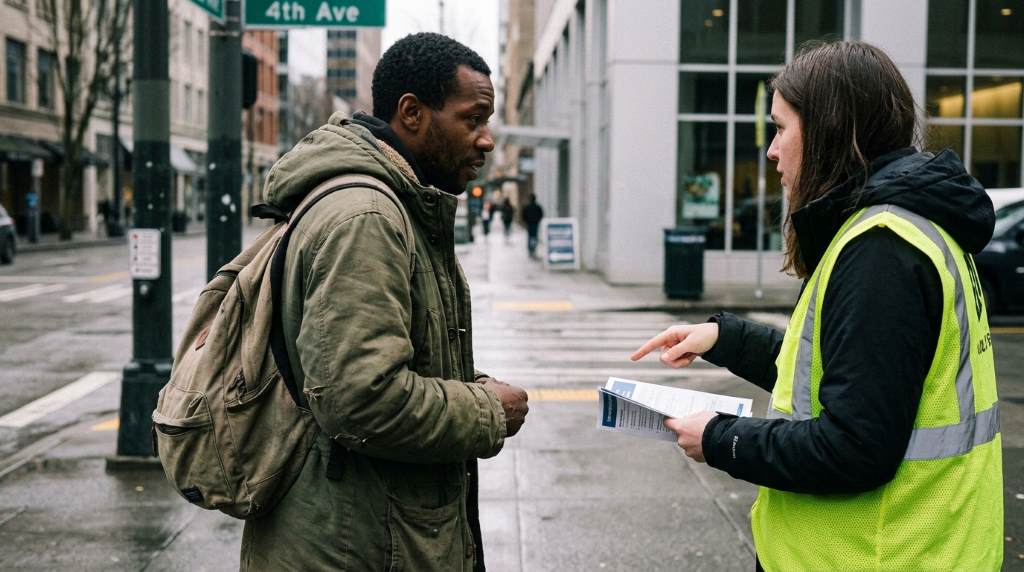
Where to Ask for Immediate Shelter Help
Several organizations work together to provide fast assistance during housing emergencies. Contacting the right service first often reduces waiting time and improves placement opportunities.
You can call local crisis lines, visit community resource centers, or speak with outreach workers throughout Seattle. Meanwhile, carrying essentials inside a best value hiking backpack keeps important items secure during temporary moves.
Libraries, hospitals, and neighborhood service centers often maintain updated information about nearby shelters. Staff members frequently help visitors contact the appropriate housing providers directly.
Important Information to Share
- Your current location
- Number of family members
- Medical conditions
- Accessibility needs
- Age of children
- Veteran status
- Safety concerns
- Pet ownership if applicable
Prepare Before Visiting a Shelter
Although many shelters accept people without documentation, bringing identification speeds up registration. Staff also appreciate having basic information available during intake.
Pack essential medications, phone chargers, clean clothing, hygiene products, and important documents whenever possible. Later, planning activities with perfect family trip ideas becomes much easier after achieving stable housing.
If you have children, include comfort items, school documents, and necessary supplies before leaving home. Consequently, the transition becomes less stressful for everyone involved.
Helpful Items to Bring
- Photo identification
- Prescription medications
- Insurance cards
- Mobile phone charger
- Weather appropriate clothing
- Personal hygiene supplies
- Important paperwork
- Emergency contacts
Know What Happens During Shelter Intake
Most shelters complete a brief interview before assigning a sleeping space or connecting you with another provider. Staff members ask questions that help determine immediate needs.
Workers may discuss your health, safety concerns, employment, and housing history during the assessment process. Honest answers improve the chances of receiving suitable services.
Some facilities separate sleeping areas based on family status, gender, or specific support requirements. Therefore, asking questions before check in helps you understand available accommodations.
Services Often Available
- Safe sleeping areas
- Daily meals
- Laundry facilities
- Showers
- Case management
- Mental health referrals
- Employment assistance
- Housing navigation
Support Available Beyond Emergency Shelter
Receiving shelter represents only the first step toward long term housing stability. Many organizations continue helping residents after their immediate crisis ends.
Case managers assist with rental applications, employment resources, financial planning, and permanent housing referrals. Additionally, they connect clients with healthcare providers and benefit programs.
Several nonprofit organizations also provide legal assistance for eviction prevention and tenant rights. As a result, many people avoid returning to homelessness after receiving coordinated support.
Long Term Housing Options
- Rapid rehousing programs
- Permanent supportive housing
- Affordable housing referrals
- Rental assistance programs
- Employment services
- Financial counselling
- Life skills training
Tips for Improving Your Shelter Search
Arriving early often increases the likelihood of finding available shelter space. However, availability changes throughout the day because placements continue regularly.
Keep your phone charged whenever possible so providers can contact you quickly. Likewise, update staff immediately if your location or contact information changes.
Remain respectful toward shelter workers because they manage many urgent situations every day. Positive communication often creates smoother interactions during stressful circumstances.
How Community Organizations Can Help
Faith groups, nonprofit agencies, and volunteer organizations frequently provide meals, clothing, transportation, and temporary financial assistance. These services complement official shelter programs effectively.
Many organizations also offer employment workshops, educational opportunities, and healthcare referrals for people rebuilding their lives. Consequently, individuals receive broader support beyond temporary accommodation.
Building relationships with local support networks often creates additional opportunities for stable housing and employment. Consistent participation also strengthens long term recovery efforts.
Conclusion
Finding shelter help in Seattle becomes easier when you understand available resources and contact the right organizations quickly. Early action improves access to emergency housing and supportive services.
Do not wait until your situation becomes more difficult before seeking assistance. Reach out today, explore local support programs, and take the first step toward stable housing and a safer future.
Frequently Asked Questions
Who can use emergency shelters in Seattle?
Most shelters serve eligible adults, families, youth, or veterans based on their program guidelines.
Do I need identification to enter a shelter?
Many shelters accept people without identification, although documents may speed registration.
Can families stay together in shelters?
Yes, many family shelters provide accommodations that allow parents and children to remain together.
Are meals available at emergency shelters?
Most emergency shelters provide meals or connect guests with nearby food assistance programs.
Can shelter staff help me find permanent housing?
Yes, case managers often assist with housing searches, benefits, and long term support services.
 Administrator